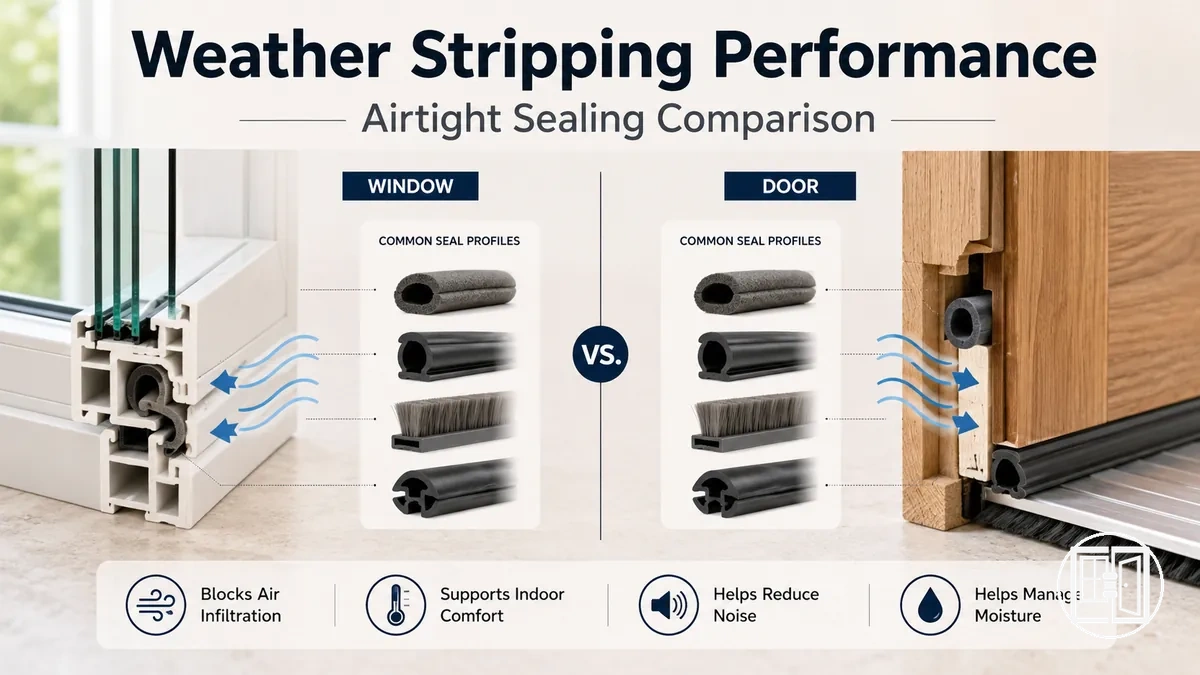
Window and Door Weather Stripping Performance for Airtight Sealing
Weather stripping performance depends on seal type, fit, compression, and surface condition more than on a single universal product choice. A door seal or window seal can reduce air leakage when the material makes continuous contact with the frame and covers the gap without blocking normal movement, so airtight sealing should be treated as a conditional goal rather than a guaranteed result.
On a door edge, the sealing strip may need enough contact pressure to close a draft path while still allowing the door to shut cleanly. On a window sash, the weather seal may need to move with the frame and maintain surface contact as the sash opens or closes. A wide, uneven, or worn gap can change seal performance because the same material may compress well in one fit condition and leave air leakage in another. This is why the comparison should start with criteria such as gap coverage, compression behavior, recovery, and durability.
Weather stripping performance means the seal profile, material, and contact point work together to reduce uncontrolled air movement around a door or window frame. Foam, rubber, silicone, vinyl, and other sealing strip forms can differ in softness, recovery, friction, and wear response, which changes the tradeoff between easy fit and lasting contact. The useful comparison is not which seal is universally best, but which seal attributes match the gap, frame, and expected use conditions.
Product examples belong later in the decision process, after the evaluation logic is clear. First, the page compares airtight sealing by performance criteria, material behavior, fit condition, and real-world sealing limits so any later choice stays tied to conditions rather than promotional claims.
What Weather Stripping Performance Means for Airtight Sealing
Weather stripping performance is the ability of a seal to reduce uncontrolled air movement when it maintains contact continuity, compression, recovery, surface contact, and alignment with the frame condition. It defines how effectively weather stripping controls airflow at a door or window edge rather than eliminating it completely. Airtight sealing outcomes depend on fit quality and frame condition, which can limit or reduce real-world seal effectiveness.
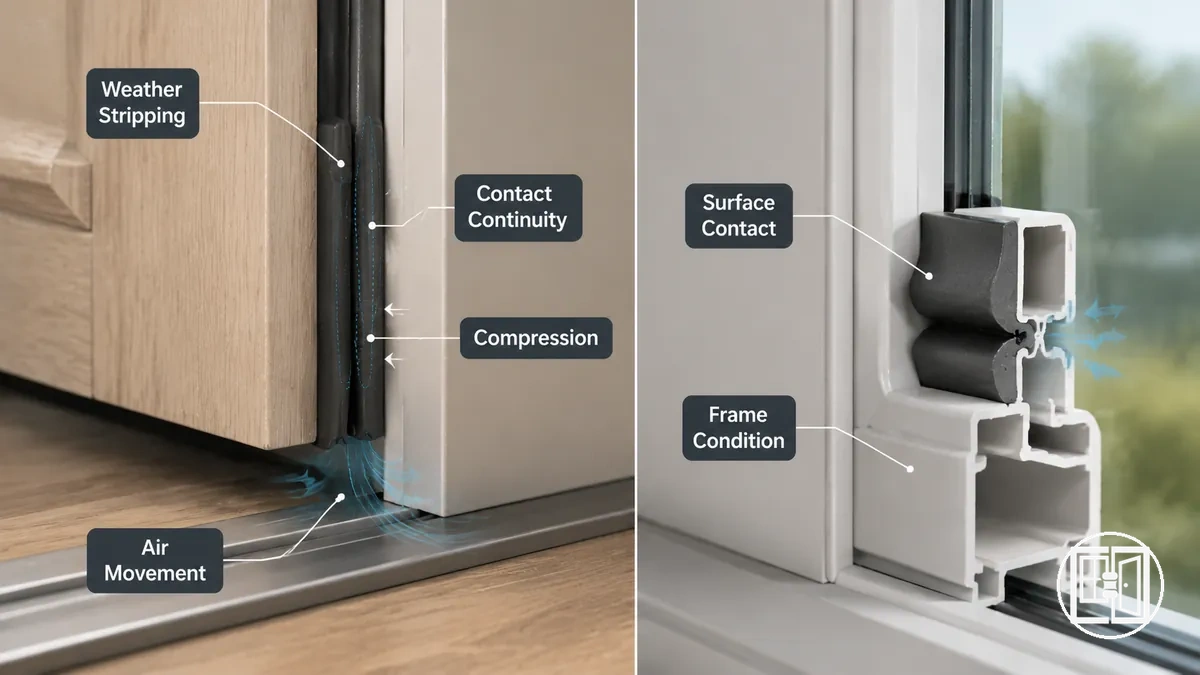
Airtight sealing in weather stripping performance is judged by how much uncontrolled air movement is reduced, not by complete elimination of air passage. Even well-contacting seals may still allow limited airflow depending on gap size, surface condition, and compression behavior. This means seal performance must be interpreted as conditional, where airtight results vary with frame alignment and material response over time.
In practical terms, weather stripping performance combines measurable contact behavior and physical response under compression to indicate how effectively drafts are reduced. Key indicators include surface contact consistency, recovery after compression, and how well the seal maintains alignment across movement. These factors together define seal effectiveness without implying a fully airtight outcome under all conditions.
Performance Criteria That Separate Weak Seals from Strong Seals
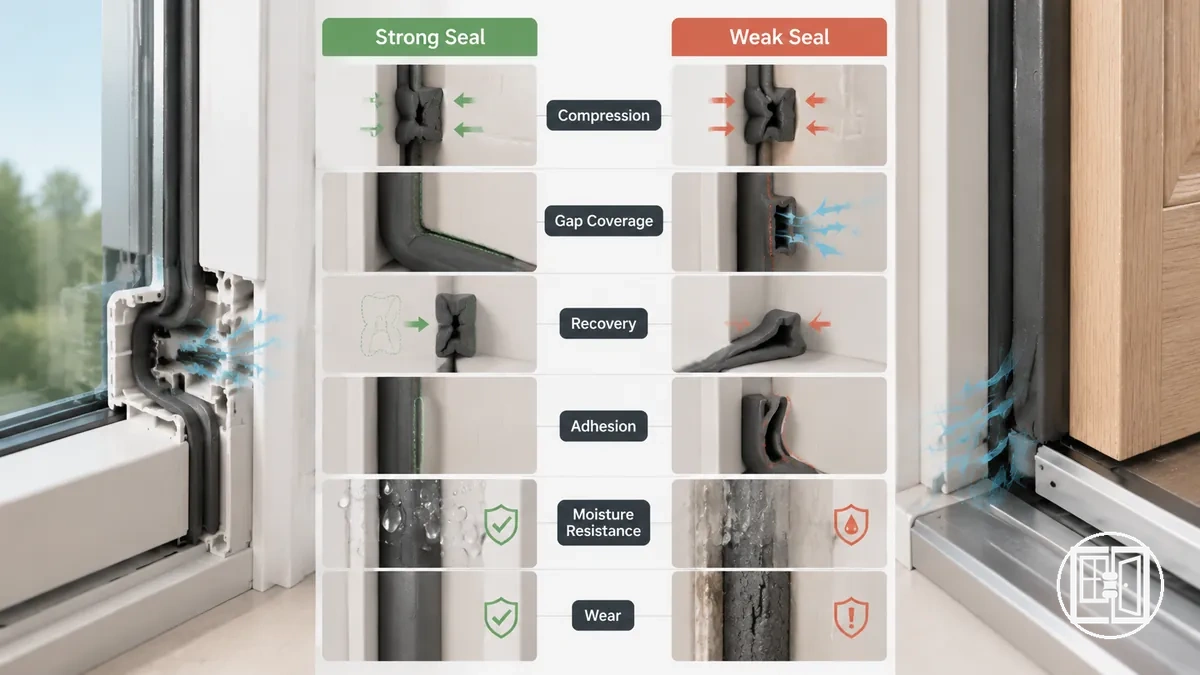
Performance criteria define how weather stripping behaves under real sealing conditions, especially in terms of compression, gap coverage, recovery, adhesion, moisture resistance, and wear. These factors determine whether a seal can reduce air leakage through consistent contact or whether it results in a weak seal with higher draft risk. The distinction between strong seal and weak seal outcomes depends on how these criteria work together, not on general buying preferences.
A seal’s performance shifts depending on where it contacts the frame and how the gap behaves across movement. A narrow, stable gap places more weight on compression and recovery, while uneven or larger gaps increase the importance of gap coverage and adhesion. Moisture exposure and surface condition further change how seal criteria interact over time, affecting long-term air blocking ability. The table below organizes these performance criteria by their direct impact on sealing outcomes.
To understand seal strength clearly, the following criteria show how each attribute contributes to either a strong seal or a weak seal depending on conditions and fit.
| Performance Criterion | What It Affects | Strong Seal Outcome | Weak Seal Outcome |
|---|---|---|---|
| Compression | Contact pressure at frame gap | Stable air blocking contact | Loose contact with draft risk |
| Gap Coverage | Ability to span opening size | Full surface coverage | Uncovered air leakage paths |
| Recovery | Return after pressure release | Maintains sealing shape | Deformed sealing over time |
| Adhesion | Bond to frame surface | Stable positioning | Shifted or lifted seal |
| Moisture Resistance | Performance in humid exposure | Consistent sealing behavior | Reduced effectiveness over time |
| Wear | Long-term surface degradation | Durable air blocking | Increased air leakage risk |
Strong seal performance is indicated when compression, recovery, and gap coverage remain balanced under real frame conditions. When adhesion weakens or wear increases, even good initial sealing can shift toward weak seal behavior. Selection should prioritize the criteria most critical to air blocking in the specific frame and gap condition rather than isolated attributes.
Air Blocking, Contact Pressure, and Gap Coverage
Air blocking depends on continuous contact between the seal profile and the frame, supported by sufficient contact pressure. When this contact weakens, air can pass through small gaps along the door or window edge. Gap coverage functions as the local check that determines whether the seal can fully interrupt the draft path.
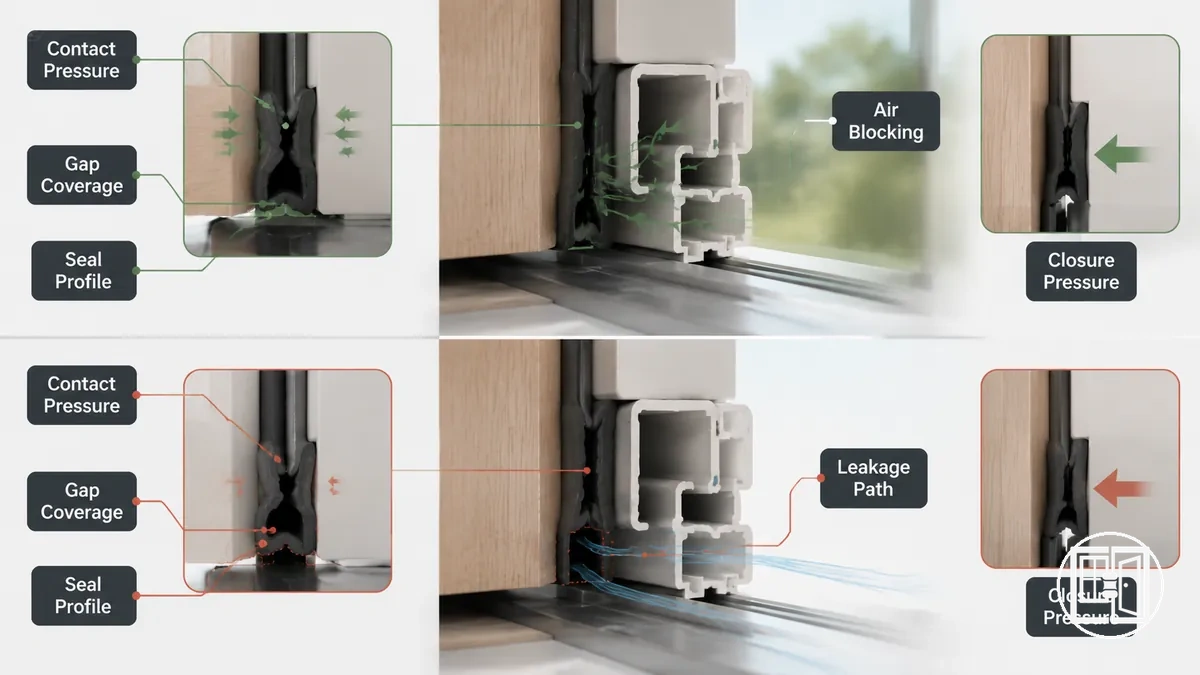
When gap conditions vary, the effect of seal profile becomes dependent on whether contact pressure remains stable across the surface. Narrow gaps may maintain air blocking through consistent contact pressure, while uneven gaps can reduce surface contact and create partial leakage paths. Moving contact points further affect stability by shifting where closure pressure is applied during use.
- Seal profile → contact pressure → may support leakage reduction, but can increase rubbing risk if pressure is uneven
- Gap coverage → uneven gap → may leave partial draft paths when surface contact is incomplete
- Contact pressure → closure pressure → determines stability of air blocking under movement conditions
- Moving contact point → shifting surface contact → may reduce leakage reduction over repeated opening and closing
Compression Recovery, Moisture Resistance, and Long-Term Durability
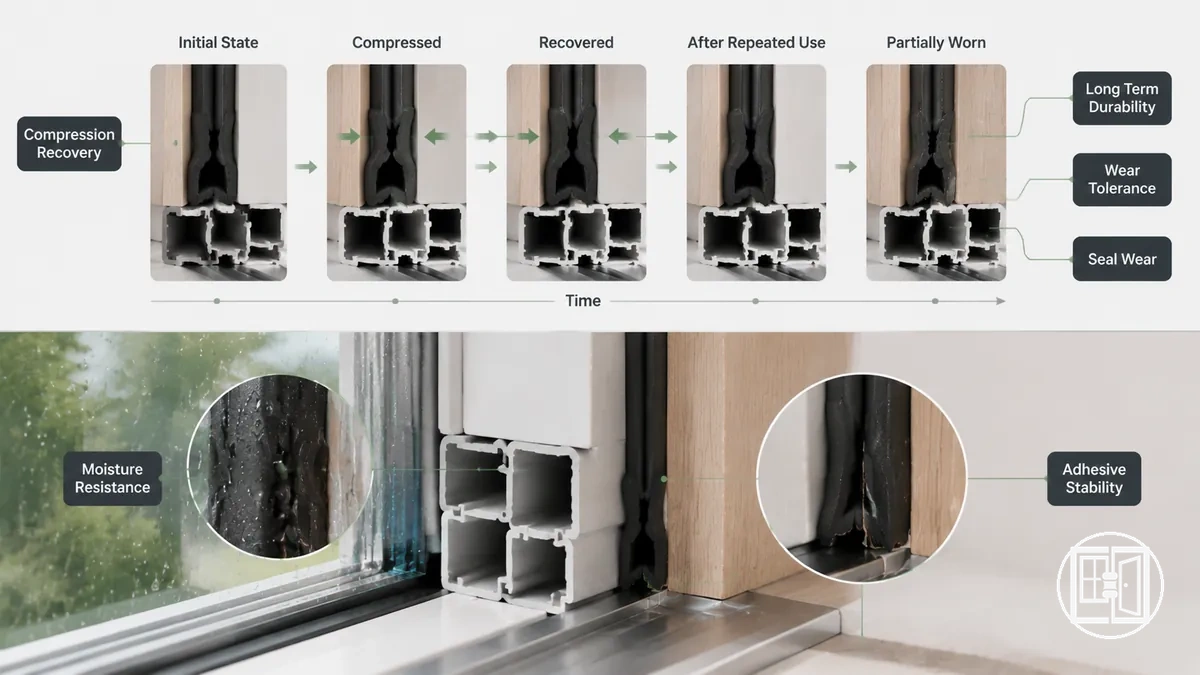
Compression recovery and moisture resistance determine how long-term durability changes under repeated use and exposure. Repeated compression affects material memory, which can reduce lasting contact over time. Wear tolerance and adhesive stability also influence whether the seal maintains performance or shifts toward flattening, cracking, and seal failure risk.
Long-term durability becomes more noticeable when the seal is exposed to repeated opening and closing, moisture, and surface movement. A seal profile that feels soft in early use may not maintain the same resilience under continued exposure. This difference between short-term seal feel and long-term performance is important for avoiding overconfident selection.
The visual below shows how compression, recovery, and wear affect seal shape over time.
The following checklist verifies durability signals under real conditions:
- Compression recovery → repeated compression → reduced lasting contact or stable material memory
- Moisture resistance → surface exposure → cracking risk or stable resistance performance
- Wear tolerance → repeated movement → flattening or maintained structural shape
- Adhesive stability → surface exposure → shifting or secure attachment over time
Weather Stripping Type Performance Across Doors and Windows
Weather stripping types perform differently depending on whether the contact point is a door edge or a window sash. Type performance depends on how the seal profile behaves under specific frame contact conditions rather than material alone. This difference becomes more noticeable when comparing door and window use contexts where closure pressure and movement patterns vary.
Performance differences become clearer when comparing fixed door edges, moving window sashes, kerf channels, and bottom gaps. Foam and vinyl may respond differently under compression in fixed edges, while rubber and silicone often behave more consistently in moving sashes. V-strip, kerf seal, sash seal, and door-bottom seal each react differently based on where contact pressure is applied. These variations make it necessary to compare type performance by location before selecting a suitable form, as shown in the table below.
The table shows how weather stripping types change performance across door contact point and window contact point conditions, highlighting both strengths and limitations under different frame locations. This comparison helps clarify why the same material can behave differently depending on where it is installed.
| Weather Stripping Type | Performance Attribute | Best-Fit Condition or Limitation |
|---|---|---|
| Foam | High compressibility, lower recovery under repeated movement | Best for low-movement door edges, may flatten in frequent-use windows |
| Rubber | Balanced compression recovery and sealing stability | Suitable for door contact point and moderate window contact point use |
| Silicone | Strong flexibility and weather resistance | Performs well in moving sash systems, higher cost sensitivity |
| Vinyl | Rigid profile with consistent shape retention | Best in stable frames, limited performance in high movement contact points |
| V-strip | Edge sealing with spring-like contact pressure | Effective in window sash edges, may vary with uneven door frames |
| Kerf seal | Channel-fitted stability with controlled compression | Best for prepared door frames, limited flexibility in retrofit conditions |
| Sash seal | Designed for sliding movement with controlled friction | Optimized for window sash contact points, not ideal for static doors |
| Door-bottom seal | Bottom gap closure with downward contact pressure | Effective for floor-level gaps, depends on alignment and clearance |
A deeper comparison of materials performance can further clarify how each weather stripping type behaves across different frame conditions.
Foam, Rubber, Silicone, Vinyl, and V-Strip Sealing Behavior
Foam, rubber, silicone, vinyl, and V-strip differ in sealing behavior based on softness, recovery, weather tolerance, friction, and adhesion under compression. Foam typically depends on higher softness for surface contact, while rubber and silicone rely more on recovery and resilience for sustained sealing behavior. Vinyl and V-strip tend to behave more rigidly, where friction and controlled contact determine how well they maintain surface sealing against movement.
The comparison of these materials depends on how they respond to compression and how consistently they maintain surface contact across different frame conditions. Foam may perform better in uneven gaps due to its softness, but can lose effectiveness if recovery is reduced over repeated compression. Rubber and silicone generally maintain more stable sealing behavior because of stronger resilience and weather tolerance, while vinyl and V-strip require more precise fit conditions where adhesion and friction can support consistent contact.
The table below organizes sealing behavior by compression response, resilience, and likely fit condition across each material or profile.
| Material or Profile | Softness, Recovery, Weather Tolerance, Friction, Adhesion Needs | Sealing Outcome (Stronger or Weaker Condition) |
|---|---|---|
| Foam | High softness, lower recovery, moderate adhesion dependence | Stronger in uneven gaps, weaker under repeated compression |
| Rubber | Balanced softness and recovery, strong weather tolerance | Generally stable sealing under repeated compression |
| Silicone | High resilience, strong weather tolerance, flexible contact | Stronger in movement and exposure conditions |
| Vinyl | Low softness, higher rigidity, friction-dependent contact | Stronger in stable frames, weaker in moving conditions |
| V-Strip | Spring-like contact, friction-based sealing, moderate adhesion needs | Effective in controlled gaps, variable in uneven surfaces |
Door Bottoms, Kerf Seals, Sash Seals, and Moving-Frame Contact Points
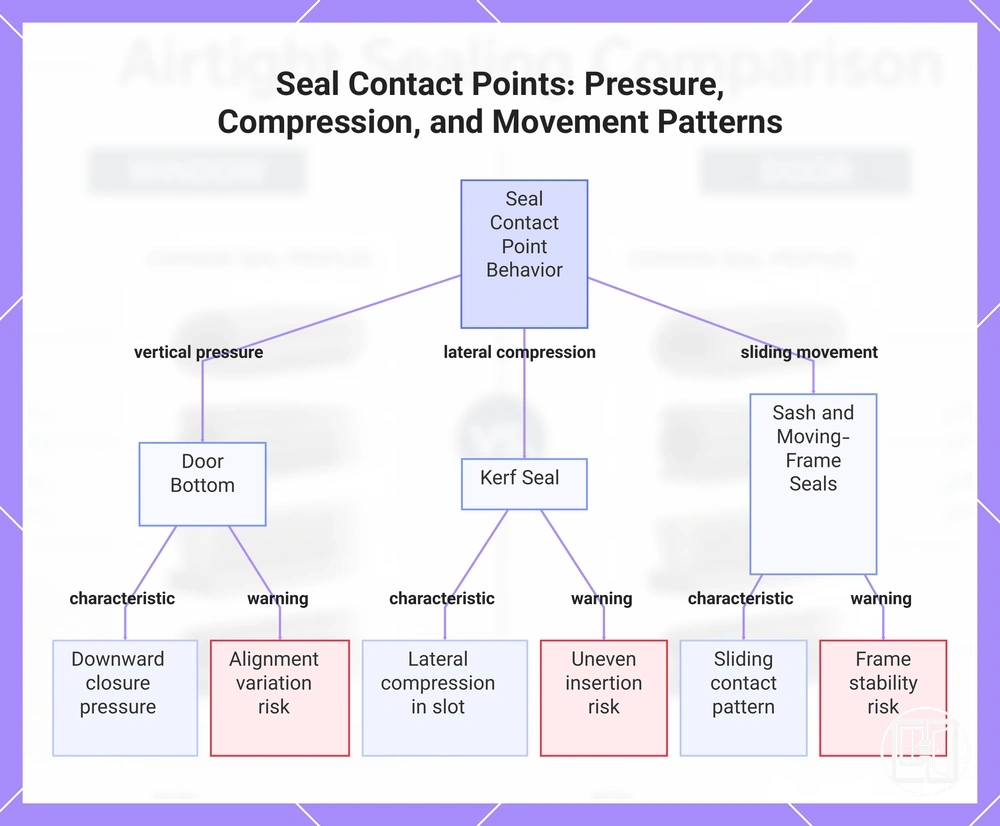
Door bottom, kerf seal, sash seal, and moving-frame contact point behave differently because pressure direction, movement pattern, and gap direction change at each location. A door bottom typically applies downward closure pressure against a floor-level gap, while kerf seal sits inside a frame channel where compression is lateral. A sash seal operates along a moving window edge where contact shifts during opening and closing.
Each contact point limits which seal form can perform effectively because movement and closure pressure are not consistent across locations. Door bottoms respond to vertical closure pressure, kerf seals depend on slot-based compression, and sash seals rely on controlled sliding contact in a moving frame. The differences below clarify how each condition affects suitability and performance limits.
- Door bottom → bottom gap exposed to downward closure pressure → may suit seals designed for floor-level compression, but alignment variations can reduce consistent sealing performance
- Kerf seal → frame slot with lateral compression → depends on channel depth and closure pressure, may limit performance if insertion or compression is uneven
- Sash seal → moving window frame contact point → depends on sliding movement pattern, may reduce effectiveness when friction or wear increases over time
- Moving-frame contact point → shifting pressure direction during operation → may require flexible sealing behavior, but performance can vary with frame stability and gap direction
Reference: :contentReference[oaicite:0]{index=0}
This chart explains the distinct pressure direction, compression type, and movement pattern for each seal location, along with key performance risks.
Rubber Versus Foam Weather Stripping Performance Tradeoffs
Rubber weather stripping and foam weather stripping differ in performance based on compression behavior, resilience, softness, recovery, durability, and uneven gap conditions. Rubber and foam each respond differently to sealing pressure, so neither can be treated as a universal solution across all frame types. The right choice depends on gap stability, movement, and air-blocking strength requirements.
Rubber weather stripping typically delivers stronger resilience and recovery under repeated compression, which can support more consistent air-blocking strength in moving or frequently used frames. Foam weather stripping relies more on softness to adapt quickly to uneven gaps, which improves initial surface contact but can reduce durability under repeated compression cycles. These performance tradeoffs become clearer when comparing how each material behaves under long-term use and varying gap conditions. The comparison below separates these differences into practical criteria and outcomes.
The decision between rubber and foam depends on balancing gap conditions with durability expectations. Foam may be acceptable where uneven gaps require fast adaptation and lower replacement sensitivity, while rubber is often more suitable where repeated movement and long-term sealing stability are required. Selection depends on compression behavior, resilience, and air-blocking strength needs rather than a fixed superiority rule.
| Criteria | Rubber Weather Stripping | Foam Weather Stripping |
|---|---|---|
| Compression behavior | Stable under repeated compression with higher resilience | High initial softness with faster deformation under stress |
| Resilience and recovery | Maintains shape and sealing consistency over time | May lose recovery after repeated compression cycles |
| Durability | Generally longer-lasting under movement conditions | May require more frequent replacement in active use |
| Uneven gaps | Depends on consistent fit for optimal sealing | Adapts more easily due to higher softness |
| Air-blocking strength | More stable under repeated movement and pressure changes | Effective initially but can vary over time |
| Cost sensitivity | Often higher material cost consideration | Typically lower cost and easier replacement |
Compression Seals Versus Adhesive Strip Efficiency
Compression seals and adhesive strip efficiency depend primarily on sustained contact, contact pressure, and surface condition rather than seal format alone. Compression seals rely on a defined compression path that maintains physical pressure against the frame, while adhesive strips depend more strongly on adhesive dependence and how stable the surface condition is over time. Sealing efficiency therefore varies with how consistently each system maintains contact under real movement and gap tolerance conditions.
Compression seals typically maintain efficiency through continuous contact pressure generated by the compression path, which can support more stable performance when frames experience movement or repeated use. Adhesive strips rely on surface condition and adhesive dependence to maintain sustained contact, which can vary when surface variation or frame movement disrupts bonding stability. These differences become clearer when comparing pressure-based sealing versus adhesion-based contact. The table below separates these efficiency conditions by seal format and operating behavior.
The choice between compression seals and adhesive strips depends on how stable the contact environment remains during use. Compression-based systems generally perform more consistently under changing pressure conditions, while adhesive strips can perform effectively when surface condition and gap tolerance support stable bonding. Adhesive strips can perform well only when surface condition and gap size support sustained contact without early separation risk.
| Criteria | Compression Seals | Adhesive Strip |
|---|---|---|
| Contact pressure | Maintained through mechanical compression path | Dependent on adhesive bond strength |
| Surface condition | Less sensitive to minor surface variation | Highly dependent on surface stability and cleanliness |
| Compression path | Consistent pressure-driven sealing | No mechanical compression support |
| Sustained contact | More stable under repeated movement | May weaken if adhesion degrades |
| Gap tolerance | Better suited for variable compression gaps | Performs best in stable, low-movement gaps |
| Efficiency | More consistent under pressure changes | More sensitive to surface and movement variation |
Fit Conditions That Change Real-World Seal Performance
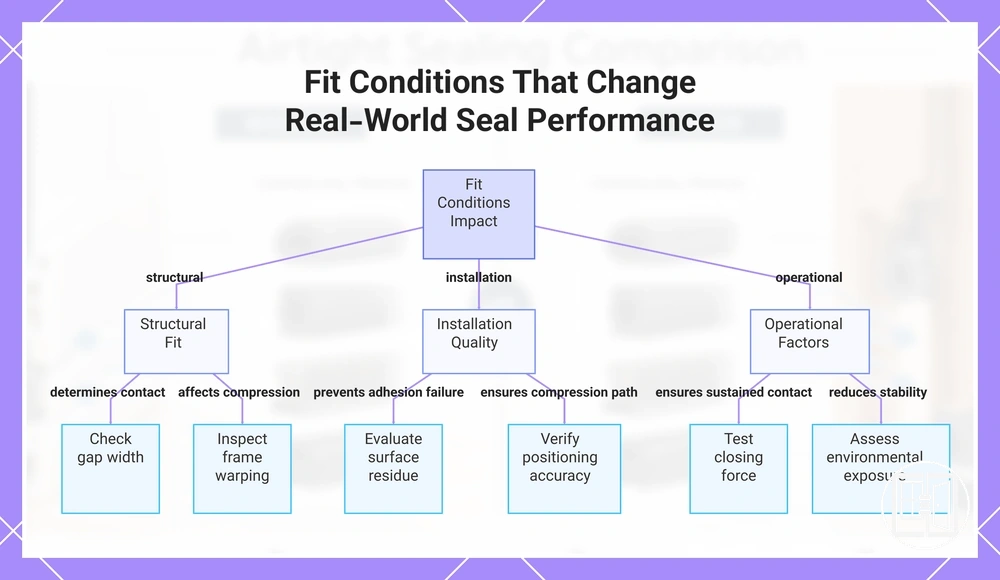
Fit conditions change real-world seal performance when the installed condition differs from the expected contact pattern. Real-world seal performance depends on how gap condition, frame condition, and movement interact during use rather than how the seal performs in isolation. This means performance is directly influenced by gap condition, frame condition, and movement conditions in the installed environment.
Uneven gaps, warped frames, surface cleanliness, closure pressure, alignment, and exposure can each alter how a seal behaves after installation. Uneven gaps can lead to inconsistent contact and remaining draft risk, while warped frames may introduce compression drag that changes sealing stability. Low surface cleanliness can contribute to adhesive failure, and poor alignment may reduce sustained contact under movement. Exposure over time can further shift performance behavior, so evaluation must consider installed conditions rather than assumed fit alone. The checklist below highlights the main conditions that affect real-world sealing behavior.
When these conditions are not aligned, real-world seal performance may deviate from expectations, resulting in reduced sealing efficiency or persistent airflow paths. In some cases, recurring air movement may indicate broader air leak issues beyond simple sealing behavior. Recognizing these limits helps distinguish between fit-condition problems and material-related expectations.
The following mini-checklist helps assess fit conditions that influence sealing outcomes:
- Gap condition → check width consistency → determines whether contact is stable or uneven, affecting sealing continuity
- Frame condition → inspect for warping → may introduce compression imbalance and reduce effective sealing contact
- Surface cleanliness → evaluate residue or dust → can increase adhesive failure risk and weaken sustained contact
- Alignment → verify positioning accuracy → misalignment can reduce proper compression path and sealing efficiency
- Closure pressure → test closing force → insufficient pressure may reduce sustained contact and increase remaining draft risk
- Exposure → assess environmental repetition → may gradually reduce stability of real-world seal performance
This chart shows the main fit conditions that influence real-world sealing behavior and the specific checks for each condition.
Best-Performance Weather Stripping Choices by Sealing Need
The best-performance choice depends on sealing need and how gap condition, contact point, and material behavior interact in real use. An airtight door edge, window sash gap, bottom gap, and uneven draft each require different performance responses rather than a single universal option. Selection changes based on how these conditions shape contact stability and sealing behavior.
Different sealing needs shift which seal type performs effectively under real conditions. An airtight door edge often depends on stable compression and closure pressure, while a window sash gap responds more to movement pattern and flexible contact behavior. Bottom gap conditions rely on downward closure force and controlled gap coverage, whereas uneven draft conditions require adaptation to inconsistent gap behavior and variable contact stability. The table below organizes these scenarios into a structured selection view.
The decision table should be read by matching sealing need to material behavior and fit condition, then evaluating the tradeoff between stability and adaptability. Some seal types perform better under consistent contact pressure, while others perform better when gaps are irregular or movement is frequent. The tradeoff depends on whether priority is durability, flexibility, or gap coverage under specific conditions.
Final decision signals come from aligning sealing need with contact point behavior and expected movement patterns. Airtight door edge conditions typically favor stable compression response, window sash gap conditions favor movement-tolerant sealing, bottom gap conditions depend on closure pressure alignment, and uneven draft conditions require adaptive gap coverage behavior.
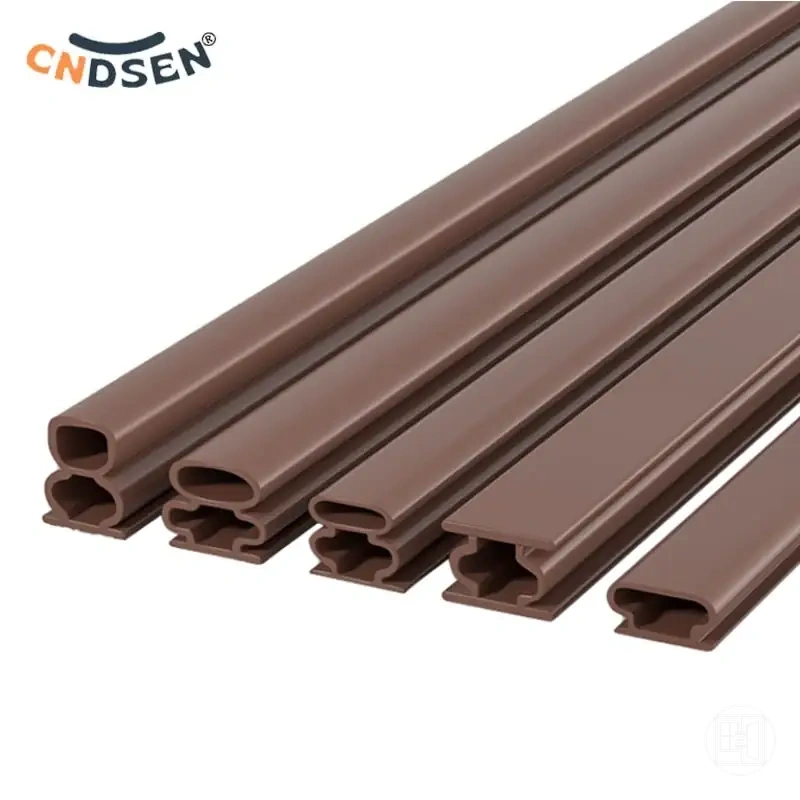
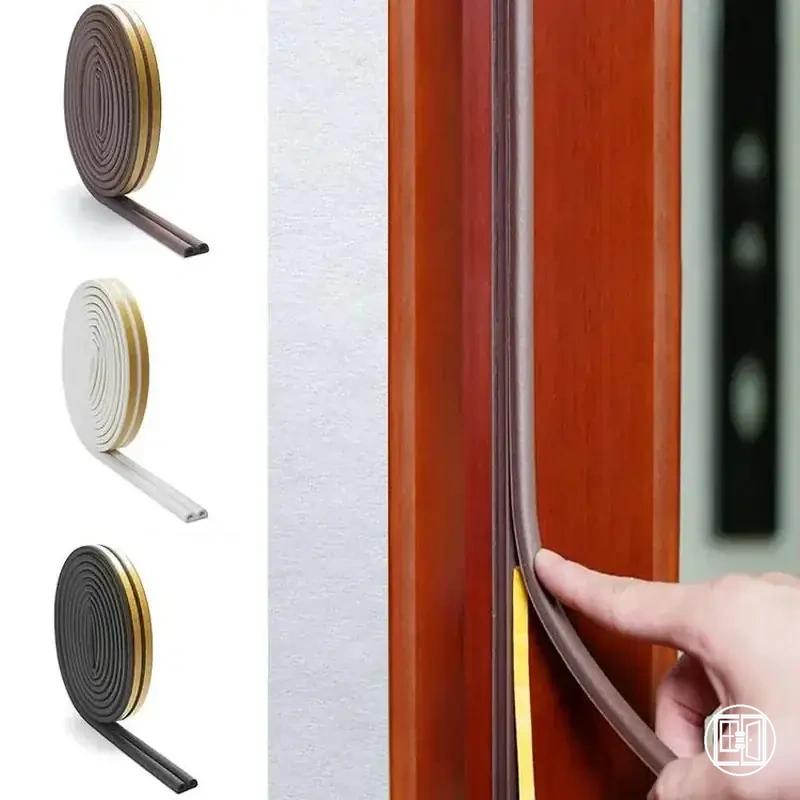
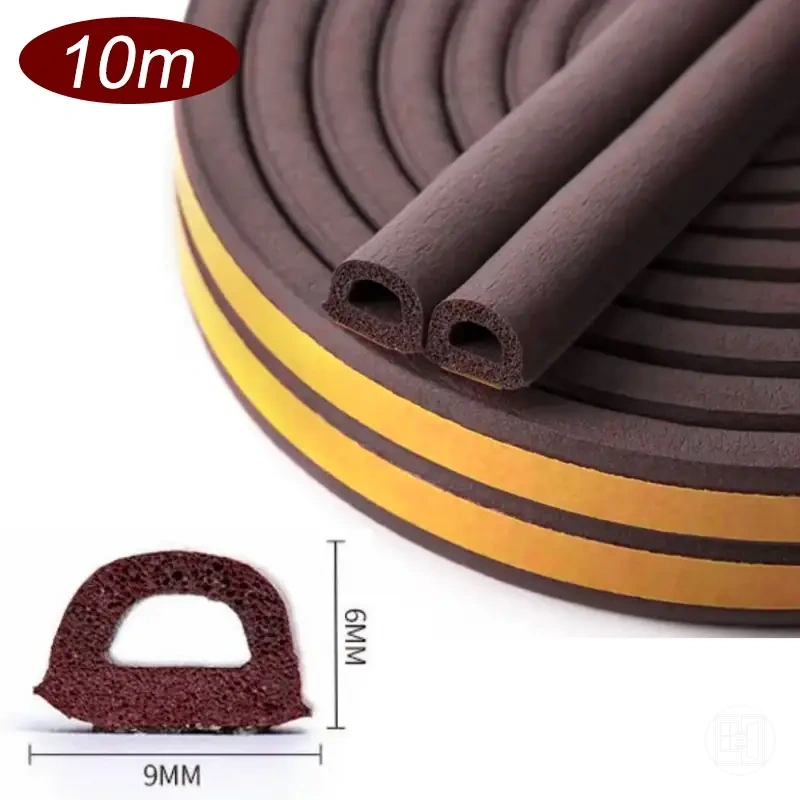
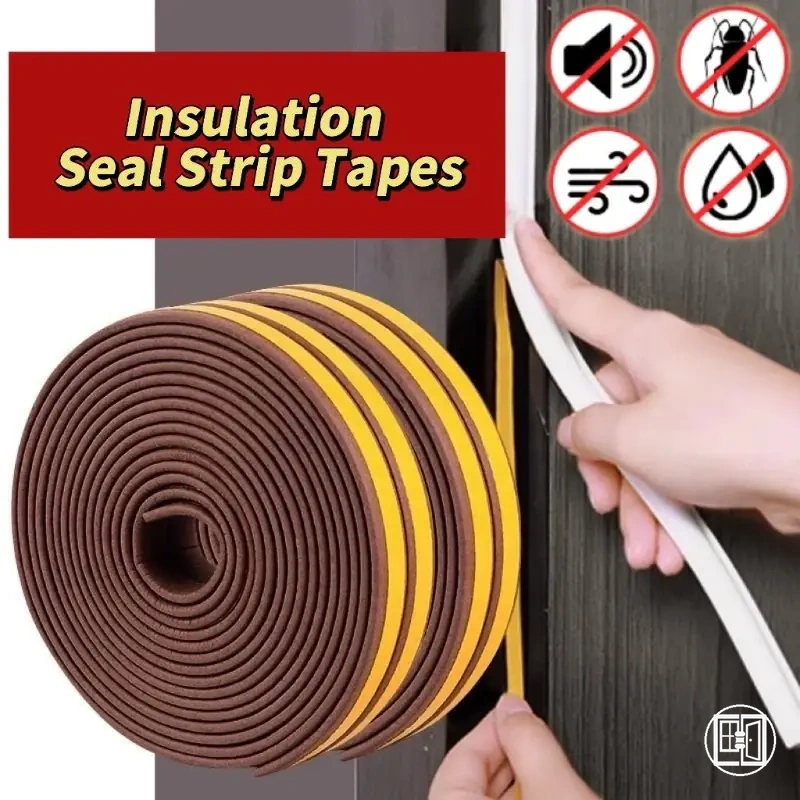
Here are product examples that may make comparison easier. Before buying, always review the compatibility criteria, essential features, and product details.
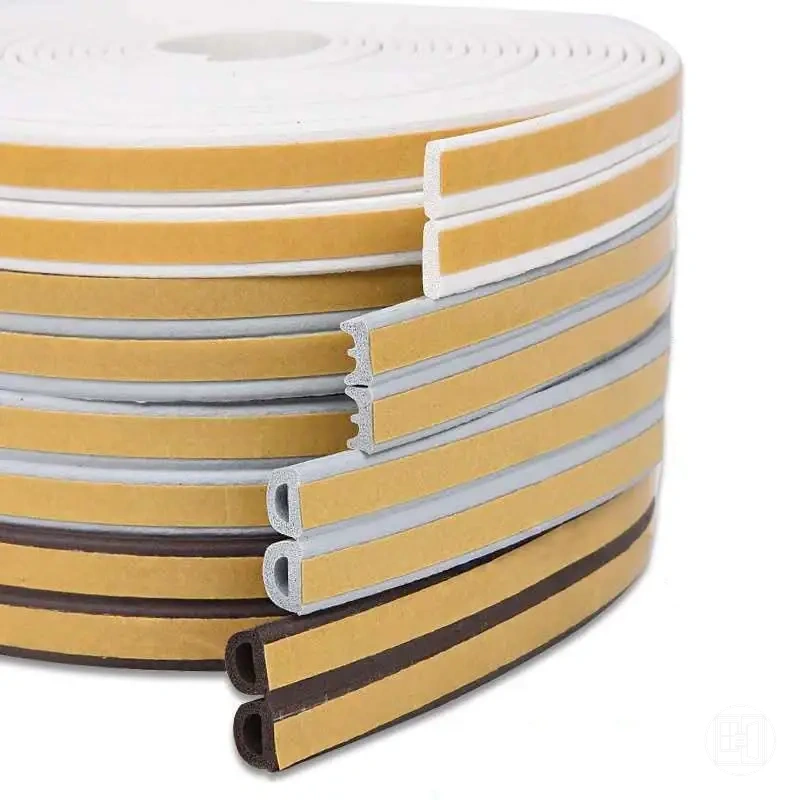
| Need state | Seal type | Performance attribute | Fit condition | Tradeoff / avoid condition |
|---|---|---|---|---|
| Airtight door edge | Compression seal / rubber profile | Stable contact pressure and sealing continuity | Consistent gap condition and strong closure pressure | Avoid if frame alignment is uneven or compression drag is high |
| Window sash gap | V-strip / sash seal | Movement-tolerant contact behavior | Moderate gap condition with repeated motion | Avoid rigid profiles under high friction movement |
| Bottom gap | Door-bottom seal | Downward closure sealing and gap coverage | Stable floor clearance and controlled closure pressure | Avoid if alignment shifts create uneven contact |
| Uneven draft | Foam / adaptable seal | Flexible gap adaptation and surface conformity | Irregular gap condition with variable contact points | Avoid if long-term compression stability is required |
Performance Limits for Draft Control and Energy Efficiency
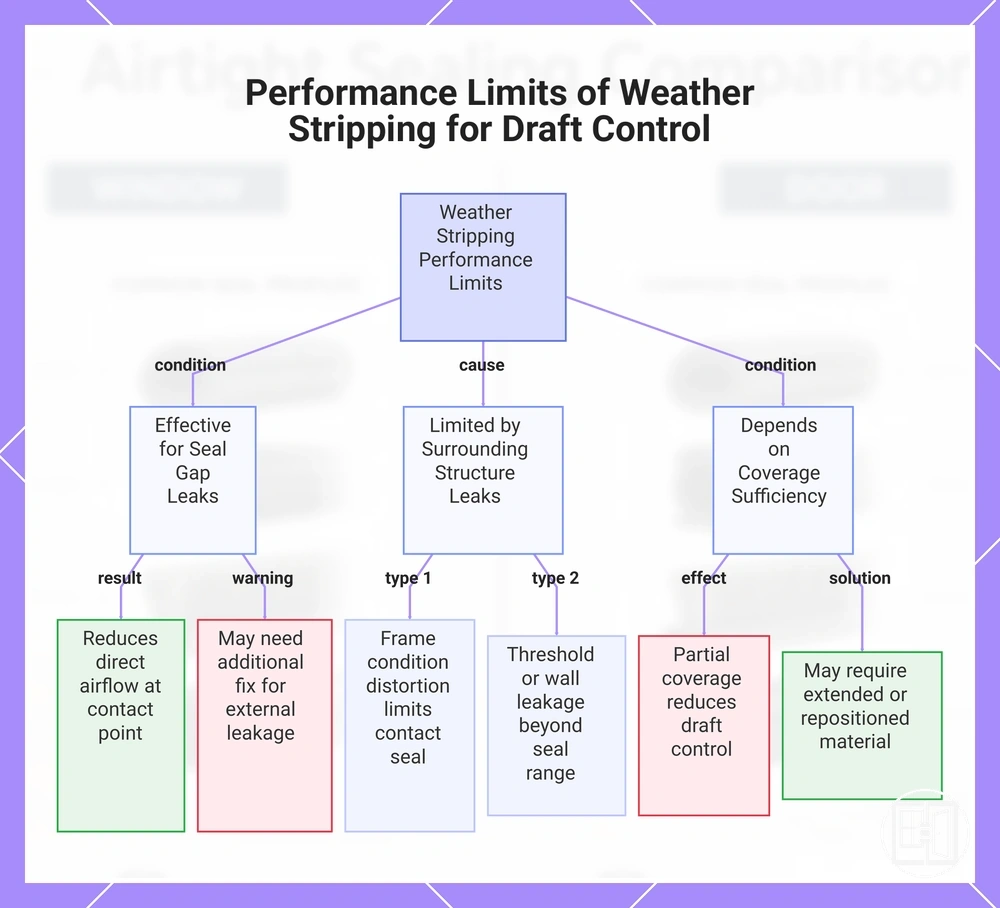
Weather stripping can reduce drafts when the leak source is located at door or window seal gaps, where air movement passes through the contact interface. In these cases, performance limits are defined by how well the seal closes the gap rather than overall building conditions. Energy-related comfort may improve, but outcomes depend on frame condition, coverage, and remaining leakage path.
Draft control changes depending on whether leakage originates from the sealing area or from surrounding structures. When the leak source is at the seal gap, weather stripping can reduce airflow and improve local comfort. When airflow comes from unrelated areas like wall joints, threshold gaps, or window frame distortions, sealing performance alone may not fully address the issue. The boundary checklist below separates what weather stripping can influence from what may require another fix.
- Seal gap leak source → reduces direct airflow at contact point → may require additional fix if wall or frame leakage continues
- Frame condition distortion → may limit contact sealing → correction or adjustment may be needed for stable performance
- Coverage limitation → partial sealing reduces draft control → may require extended or repositioned sealing material
- Threshold or bottom leakage → outside direct seal range → often needs separate threshold or structural adjustment
- Unrelated wall leakage → not affected by weather stripping → requires different insulation or sealing approach
Energy efficiency outcomes depend on whether airflow reduction is achieved at the seal interface and how much remaining leakage path exists in the surrounding structure. Weather stripping can support draft reduction and energy-related comfort when applied to the correct leak source, but diminishing return appears when leakage originates outside the sealed boundary. The distinction between localized sealing and broader structural leakage is important for realistic outcome expectations. energy efficiency outcomes vary based on these conditions.
Cost-value performance is therefore tied to identifying whether the sealing need matches the actual leak source and whether coverage is sufficient to control airflow. When performance limits are exceeded by frame condition or external leakage paths, additional corrective measures may be required to maintain realistic draft control benefits.
Here are product examples that may make comparison easier. Before buying, always review the compatibility criteria, essential features, and product details.
This chart shows the main factors that limit weather stripping performance, including leak source location, structural frame conditions, and coverage sufficiency.